Walk into any furniture showroom in India and you will hear two terms again and again: solid wood and engineered wood. They look similar in a photograph, but they behave very differently over ten, twenty or thirty years. Here is how to choose between them without regret.
What is solid wood?
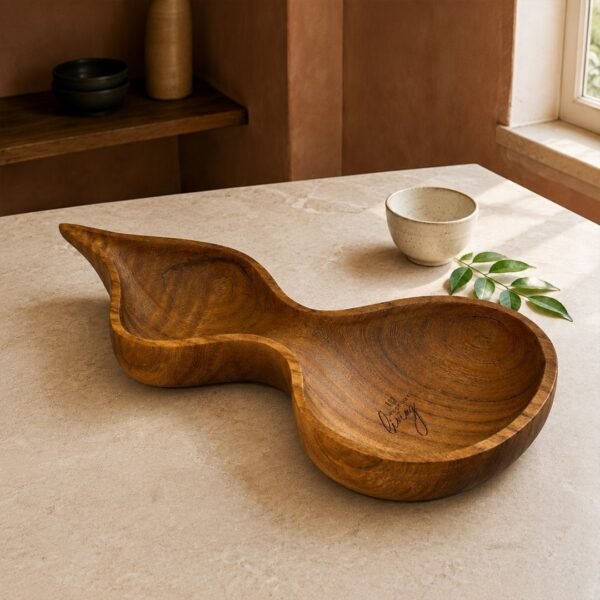
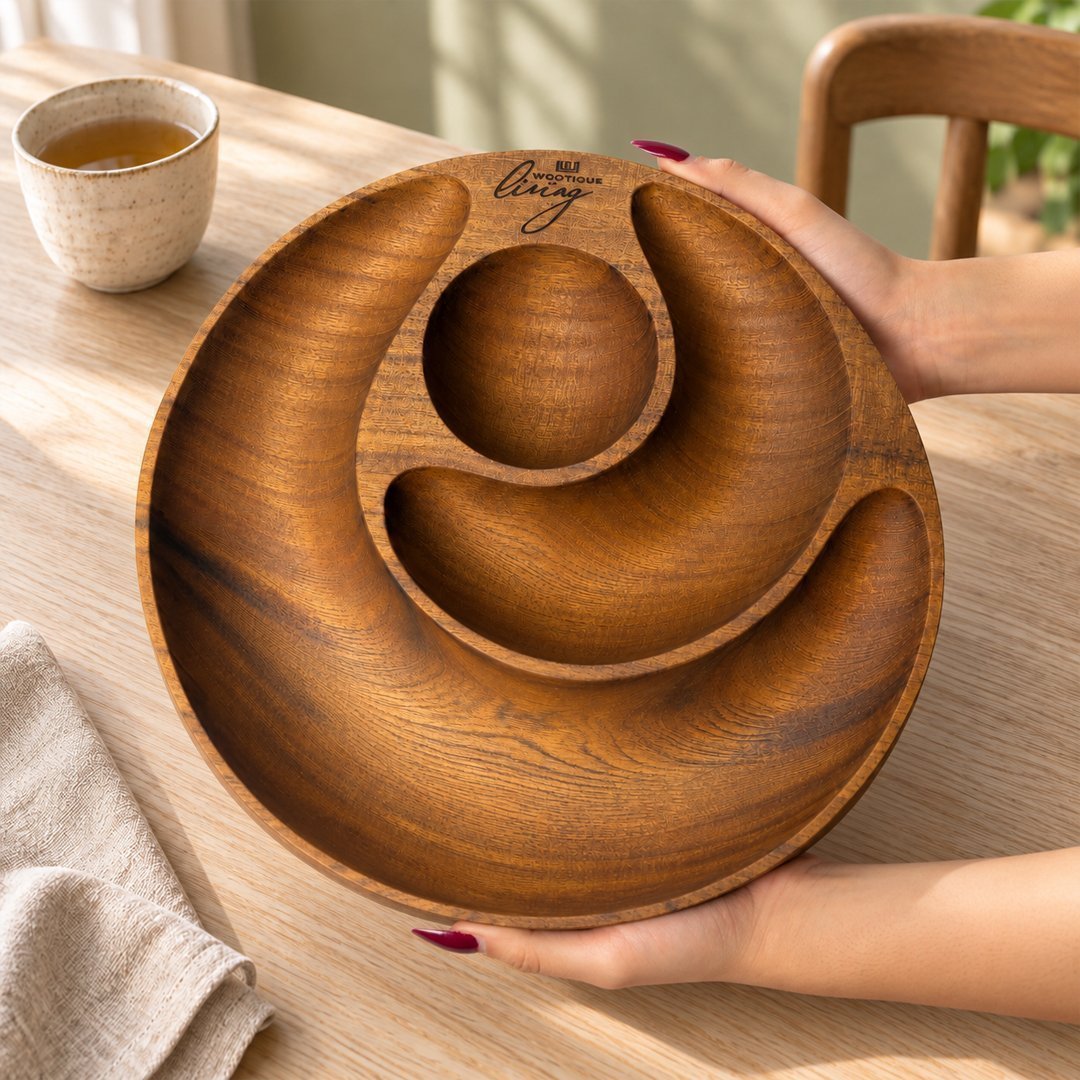
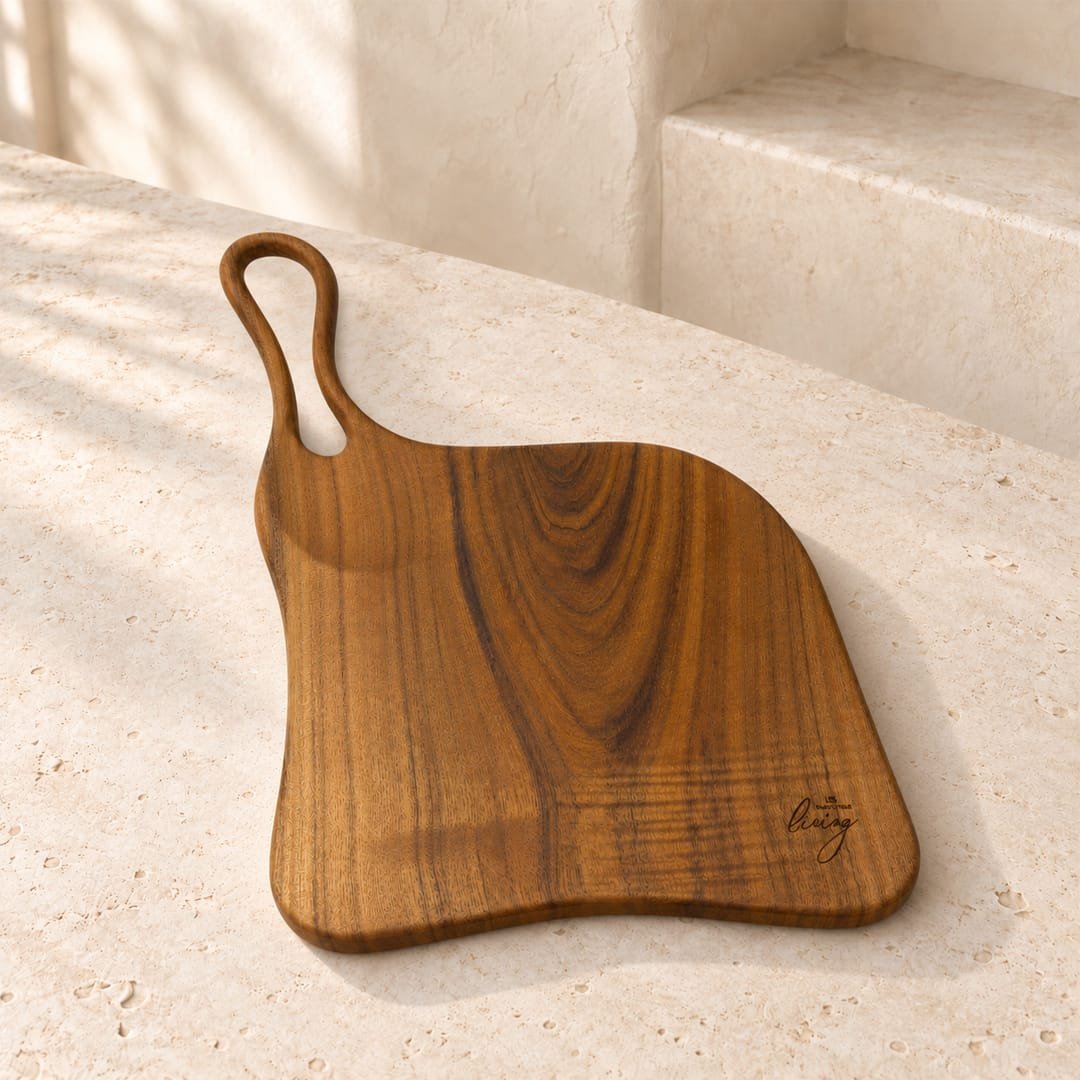
Solid wood furniture is made from planks cut directly from a tree, such as teak, East Indian walnut, white ash or pine. The material is the same all the way through. That single fact explains most of its strengths: it can be sanded, refinished and repaired many times.
What is engineered wood?
Engineered wood is a family of manufactured boards, including MDF, particleboard and plywood. Wood fibres, chips or thin layers are bonded with resin and pressed into sheets. These sheets are usually covered with a laminate or a thin wood veneer to give the look of timber.
Lifespan and repairability
A well-made solid wood table can serve three generations. Scratches and rings can be sanded out, and a tired finish can be renewed. Engineered boards cannot be sanded in the same way, because the surface layer is thin. Once the laminate chips or the edge swells, the damage is usually permanent.
Humidity and the Indian climate
Coastal cities such as Mumbai have long, humid monsoons. Particleboard and low-grade MDF absorb moisture and can swell, particularly at cut edges and joints. Solid wood also responds to humidity by expanding and contracting slightly, but good seasoning and joinery are designed to allow for that movement. Good-quality plywood sits in between and performs well for internal carcasses such as wardrobes.
Strength and weight
Solid hardwoods hold screws and joints better over time. Engineered boards can loosen where fasteners are repeatedly tightened. For pieces that carry weight or are moved often, such as dining tables, beds and benches, solid wood has the advantage.
Cost: upfront vs lifetime
Engineered wood is cheaper at purchase, and that is its real appeal. But cost should be seen across the years you will use the piece. If an engineered piece is replaced every six to eight years and a solid wood piece is kept for thirty, the cheaper option can end up costing more.
Appearance
Solid wood shows real grain, natural colour variation and a depth of tone that deepens with age. Laminates and veneers can imitate grain, but the pattern repeats and the edges often give it away.
Where each one makes sense
| Use | Better choice |
|---|---|
| Dining table, bed, bench, desk | Solid wood |
| Heirloom or long-term pieces | Solid wood |
| Wardrobe or kitchen carcass | Quality plywood |
| Short-term rental setup | Engineered wood |
| Outdoor or humid spaces | Seasoned solid wood such as teak |
A simple way to decide
Ask how long you want the piece to stay with you. If the answer is more than ten years, choose solid wood for the surfaces and structure you touch every day, and use plywood only where it is hidden.
Questions to ask any seller
- Which wood is this, and is it seasoned?
- Is the whole piece solid wood, or only the top?
- How are the joints made?
- Can the finish be renewed later?
At Wootique, every piece is made to order from solid wood in our Byculla, Mumbai workshop, backed by the timber heritage of Kantilal & Sons since 1964. If you would like help choosing the right wood and size for your home, book a design consultation.